Our Areas › Derby

Property sourcing Derby

Why invest in Derby?

A university, a large hospital trust, advanced manufacturing and rail heritage, explained for residential property investors.

Why invest in Derby?

A compact East Midlands city built on engineering, rail and healthcare

Derby sits in the north-west of the East Midlands, roughly midway between Nottingham and Birmingham, on the Derwent and close to the M1, the A38 and East Midlands Airport. It has a long industrial and railway history and is still home to major engineering and rail employers.

Rental demand here can be influenced by several sources at once: a single university, a large NHS trust, advanced manufacturing, the rail industry and commuters. These are reasons to research the city, not a prediction of performance. Different neighbourhoods suit different strategies, and the sections below are a starting point for your own due diligence.

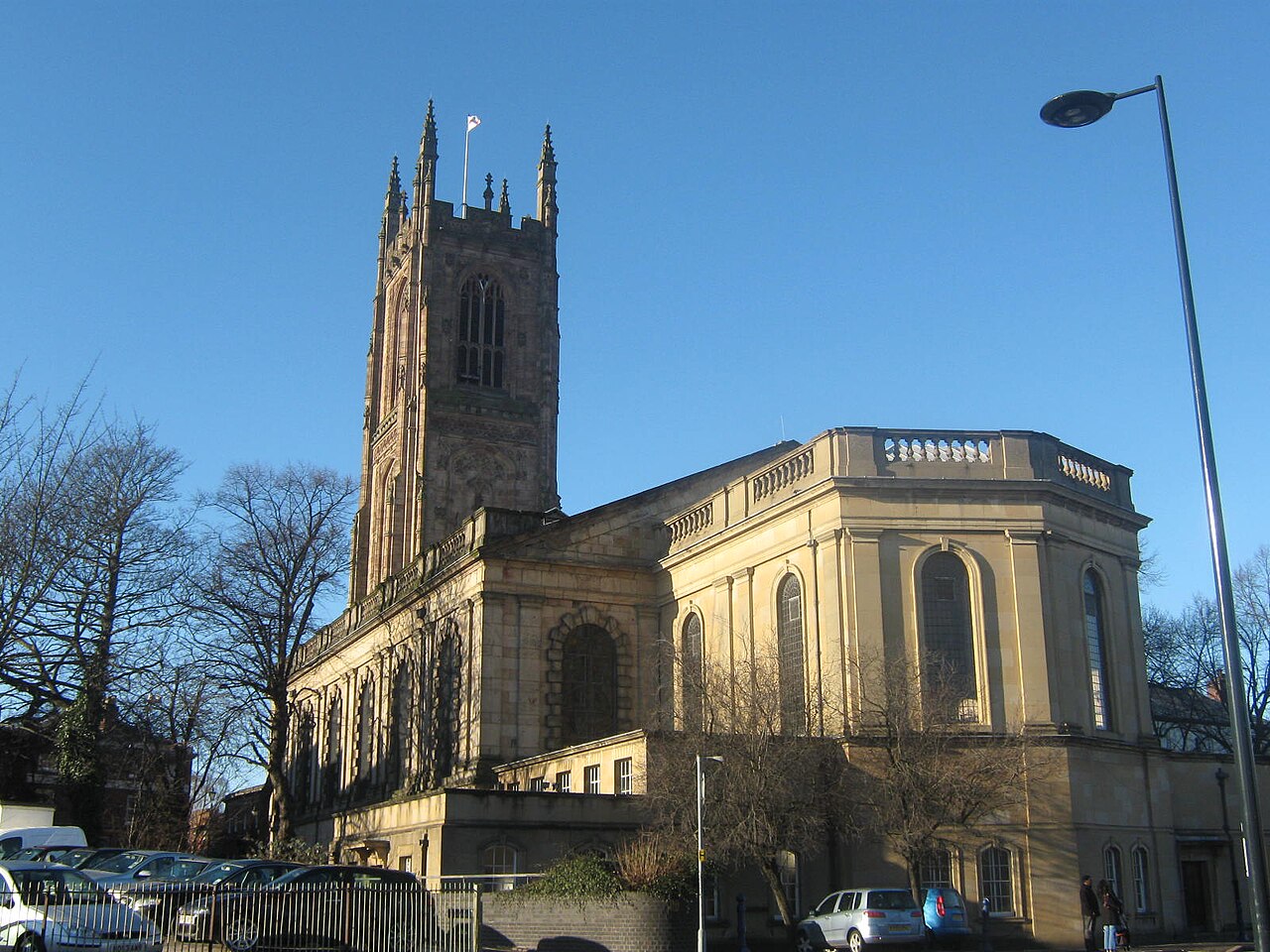
Derby Cathedral, a stone church with a tall Gothic tower, seen from Full Street on a clear day
Derby Cathedral (All Saints), in the city centre. Photo: The Roaming Picture Taker, CC BY 2.0 (credits)

Universities

The University of Derby

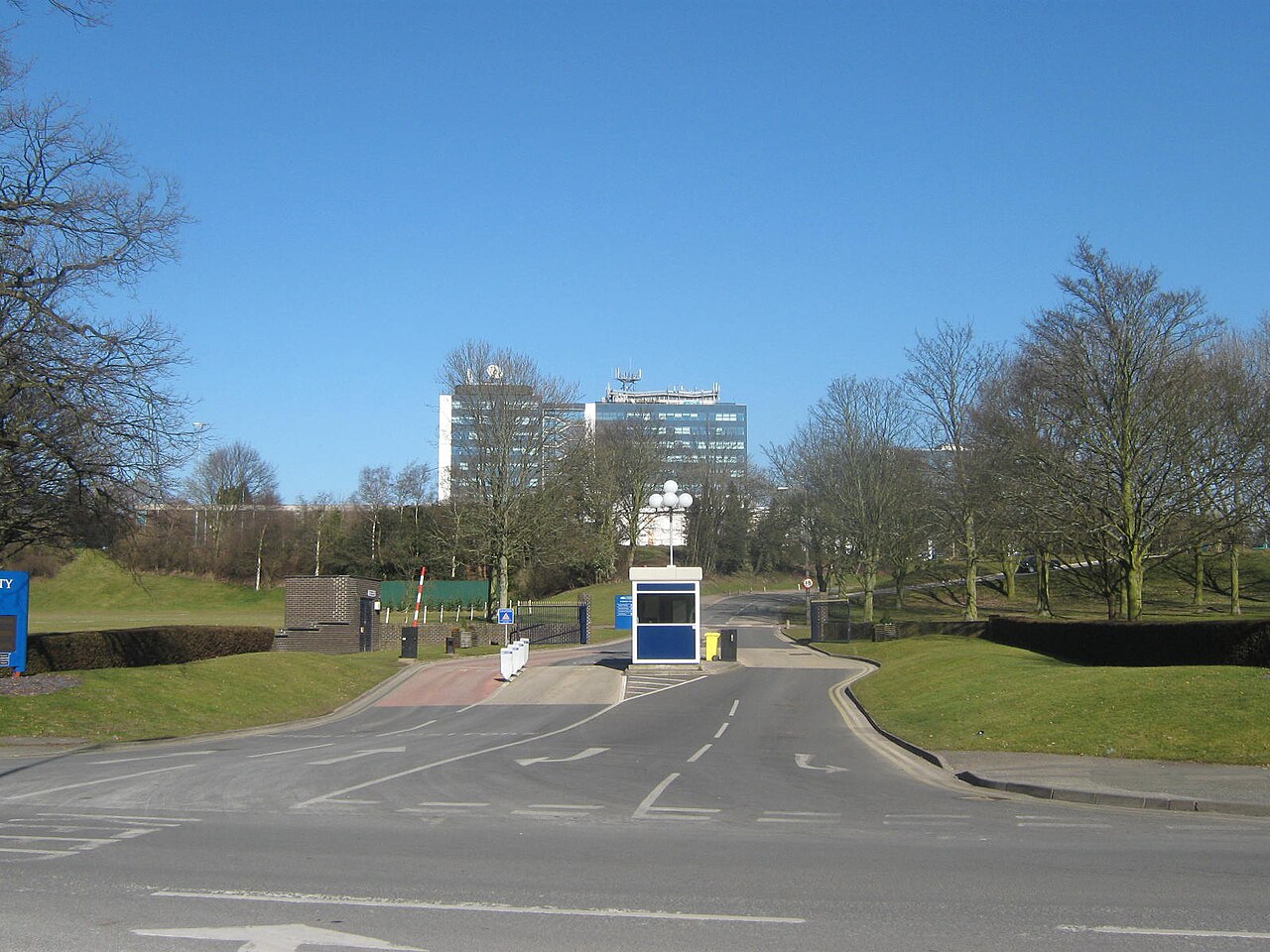
The University of Derby is the city's university. Its Derby campus is made up of five sites: Kedleston Road (the largest, on the north-western edge of the city opposite Markeaton Park), Markeaton Street, Britannia Mill, One Friar Gate Square and the Cavendish Building in the city centre. It also has campuses in Chesterfield and Buxton, and a Unibus links the Derby sites and halls of residence.

For investors, the relevant questions are how much university-managed and private purpose-built accommodation is nearby, what local HMO licensing and planning rules apply, and how stable student demand is from year to year. Student numbers can rise or fall, and policy on international students can change. Proximity to Kedleston Road, Markeaton Street and the centre is what student-focused investors usually examine.

The entrance road and security lodge at the University of Derby's Kedleston Road campus, with university buildings behind
Main entrance, University of Derby, Kedleston Road. Photo: The Roaming Picture Taker, CC BY 2.0 (credits)
5sites on the Derby campus, plus Chesterfield and Buxton (University of Derby, current)
About 90 min / 35 minrail journey times to London / Birmingham as quoted by the University (current)

Sources: University of Derby, Derby campus; University of Derby, campus and facilities. We have not published a current total or international student figure because we could not confirm one from an official University or HESA page; check HESA or the University before relying on any number.

Hospitals and healthcare

Royal Derby Hospital and a large NHS trust

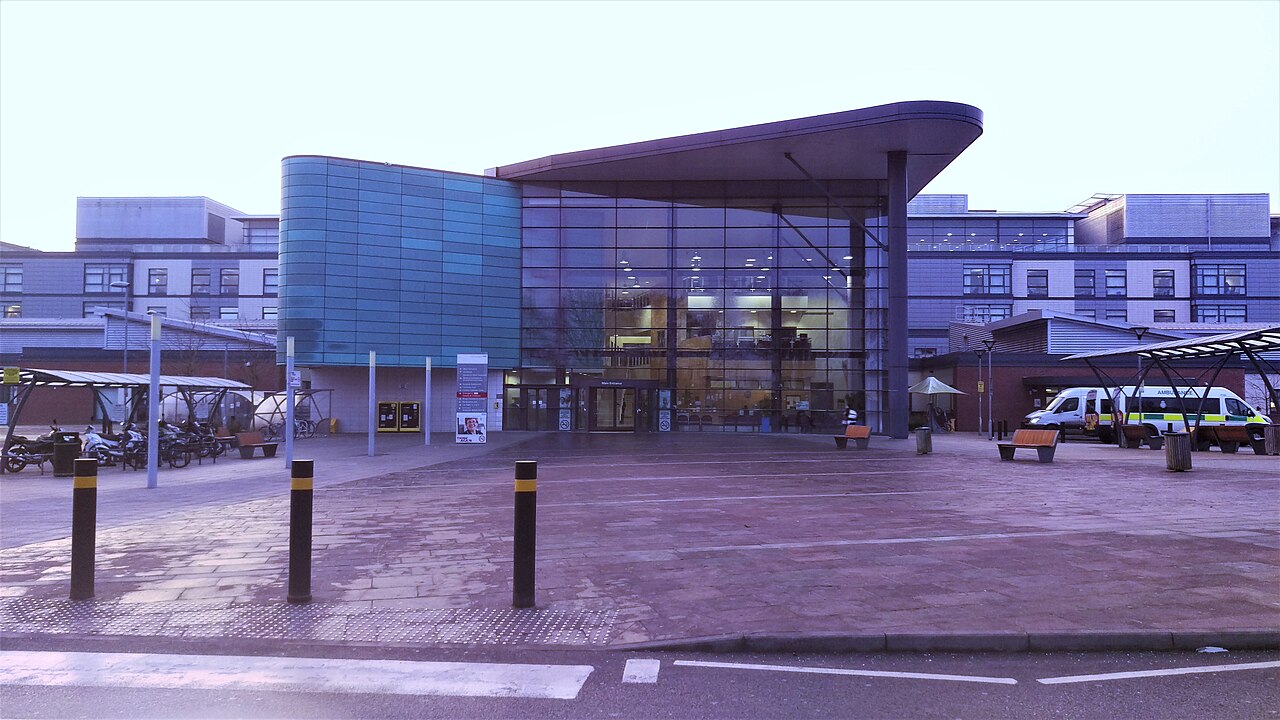
Royal Derby Hospital, on Uttoxeter Road in the west of the city, is the main acute hospital for Derby. It is run by University Hospitals of Derby and Burton NHS Foundation Trust (UHDB), formed from the merger of Derby Teaching Hospitals and Burton Hospitals. The Trust also runs Queen's Hospital Burton and three community hospitals.

Large hospitals employ clinical, support and administrative staff on shift patterns, so some investors look at nearby areas such as Littleover and Mickleover for rental homes suited to healthcare workers. Any such demand should be tested locally rather than assumed.

The glazed main entrance and forecourt of the Royal Derby Hospital
Main entrance, Royal Derby Hospital. Photo: Ryan, CC BY-SA 4.0 (credits)
14,500people employed by UHDB across five hospitals and other community sites (Trust website, undated, accessed November 2026)

Source: UHDB, Our organisation, strategy and values. The page does not give a reporting date, so treat the figure as a Trust self-description rather than an audited year-end count.

Major employers and business centres

Engineering, rail and manufacturing

Derby's economy has long centred on engineering and transport manufacturing. Employment of this kind can support housing demand, but it also depends on contracts and orders that change over time.

Raynesway, south-east Derby

Rolls-Royce

Rolls-Royce Submarines is expanding its Raynesway site. The company says groundwork has started and that the expansion will create 1,170 skilled roles. Rolls-Royce also has a long history in aerospace in the city. We have not confirmed a current Derby-wide headcount.

Burnaston, south-west of Derby

Toyota Manufacturing UK

Toyota builds the Corolla at Burnaston. Toyota said in May 2025 that it would build the GR Corolla at Burnaston from 2026. Reported employee numbers vary between sources, so none is quoted here.

Litchurch Lane, near the station

Alstom (formerly Bombardier)

Alstom operates the Litchurch Lane train-building works. Reports in 2026 say a TransPennine Express battery-electric train order would support more than 350 jobs at the site, with manufacturing expected to begin in 2028. The order does not guarantee long-term site employment.

1,170skilled roles Rolls-Royce says its Raynesway expansion will create (Rolls-Royce press release, 3 July 2026)
350+jobs at Litchurch Lane that Alstom's TPE battery-train order is reported to support (Railway News, 11 September 2026)

Rail industry and business areas. Derby was named in 2023 as the home of the Great British Railways headquarters. In October 2026 Derby City Council announced Becketwell, the city-centre scheme on the former Duckworth Square, as the site for the headquarters, which the council says will accommodate up to 450 GBR staff. The building is not yet complete. Business space is also found around Pride Park near the station, and the council's investment pipeline names Infinity Park Derby and the South Derby Growth Zone as a hub for nuclear and advanced manufacturing.

Sources: Rolls-Royce, 3 July 2026; Express & Star, 30 May 2025 (Toyota GR Corolla); Railway News, 11 September 2026 (Alstom); GOV.UK, 21 March 2023 (GBR HQ); Derby City Council, October 2026 (GBR HQ site); Derby City Council, 6 May 2026.

Transport and connectivity

On the Midland Main Line, with good road links

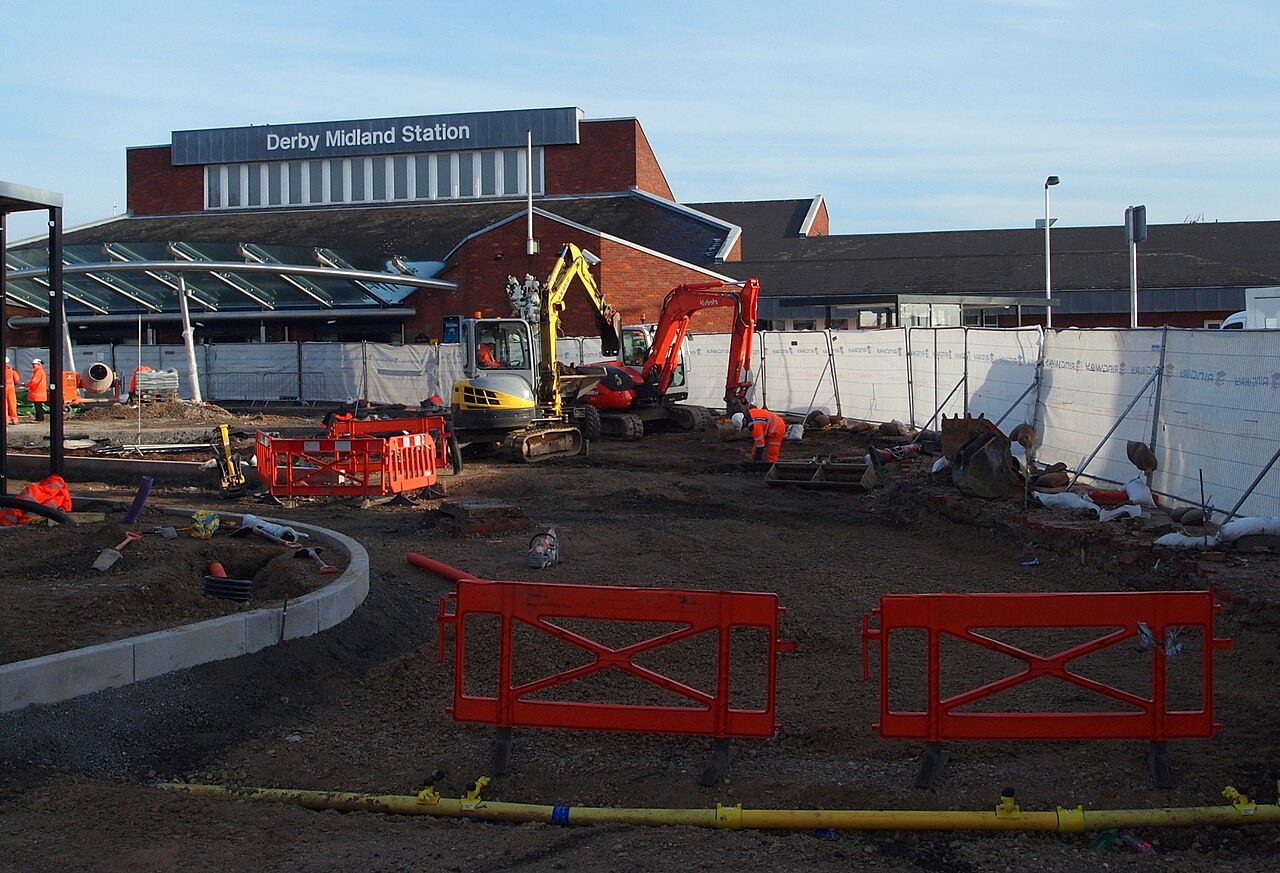
Rail. Derby station (Derby Midland) is a major interchange on the Midland Main Line and the Cross Country network. The University of Derby quotes journey times of about 90 minutes to London and about 35 minutes to Birmingham. Nottingham and Leicester are also reachable by rail and road.

Roads. The A38 skirts the west of the city and the A50 and A52 connect to the M1, which runs to the east. East Midlands Airport is a short drive from Derby, and the University describes the city as near the M1, M6 and the airport. The ring road and the A-road network are busy at peak times.

Buses. Local bus services link the centre with suburbs such as Littleover, Mickleover, Allestree and Chaddesden. Services and frequencies change, so check current timetables for any specific street. Transport matters to tenants such as commuters, students and shift workers, and is worth testing in person.

The brick frontage of Derby Midland station with a sign reading Derby Midland Station, with contractors working on the forecourt in the foreground
Derby Midland station frontage during forecourt works, November 2012. Photo: David Hallam-Jones, CC BY-SA 2.0 (credits)

Source: University of Derby, Derby campus (journey times). Other points are general descriptions; check operators and National Highways for current details.

Shopping, leisure and lifestyle

Amenities that shape tenant demand

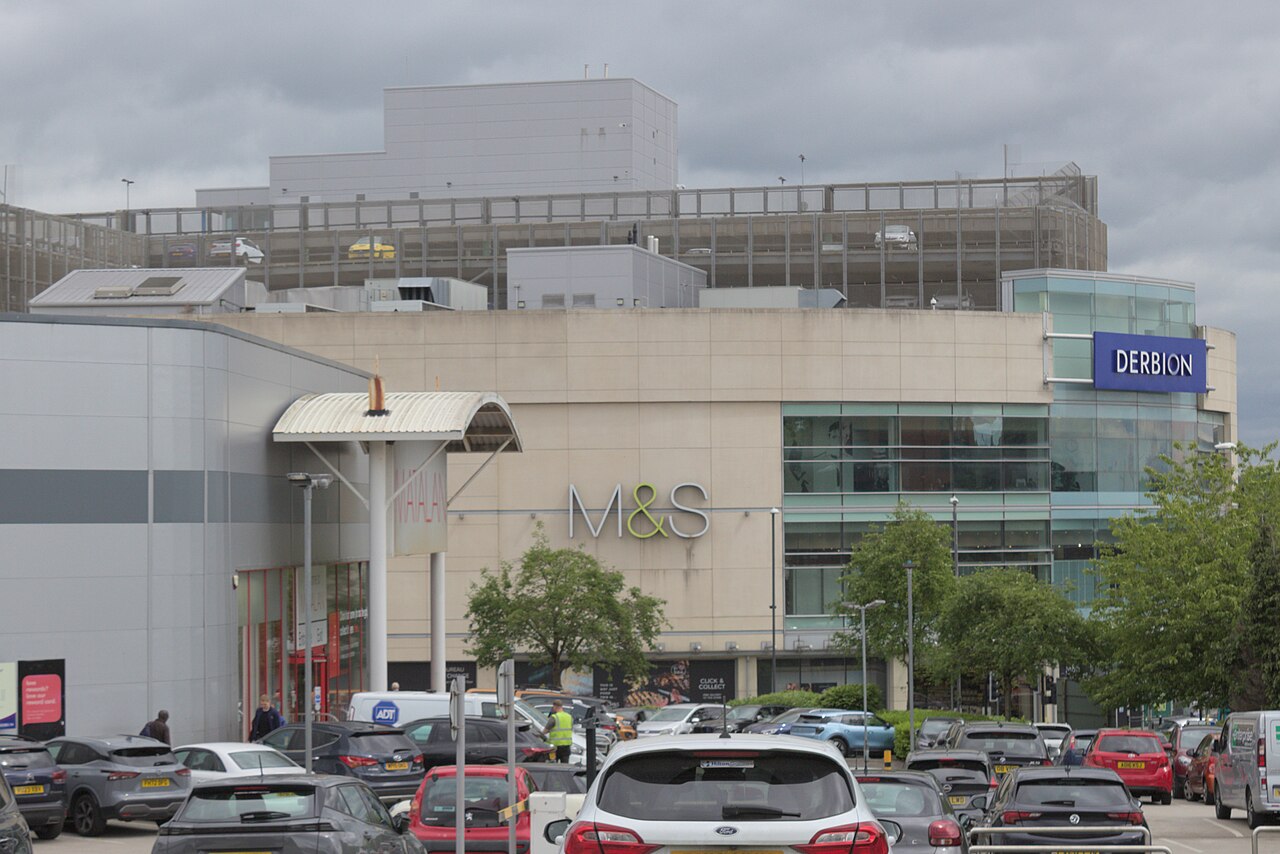
Derbion (formerly intu Derby) is the city's main covered shopping centre. Around it, the Cathedral Quarter offers independent shops, restaurants and the Cathedral. The Museum of Making, in the Derby Silk Mill on the River Derwent, tells the story of the city's manufacturing history.

East of the centre, Pride Park is home to Derby County's stadium and Derby Arena, a velodrome and events venue. Markeaton Park, opposite the university's main campus, is a large public park. Amenities of this kind tend to be part of what tenants consider, alongside rent, transport and the property itself.

The Derbion shopping centre with its blue Derbion sign above the Marks and Spencer store, seen across a car park
Derbion shopping centre. Photo: Aethonatic, CC0 (credits)
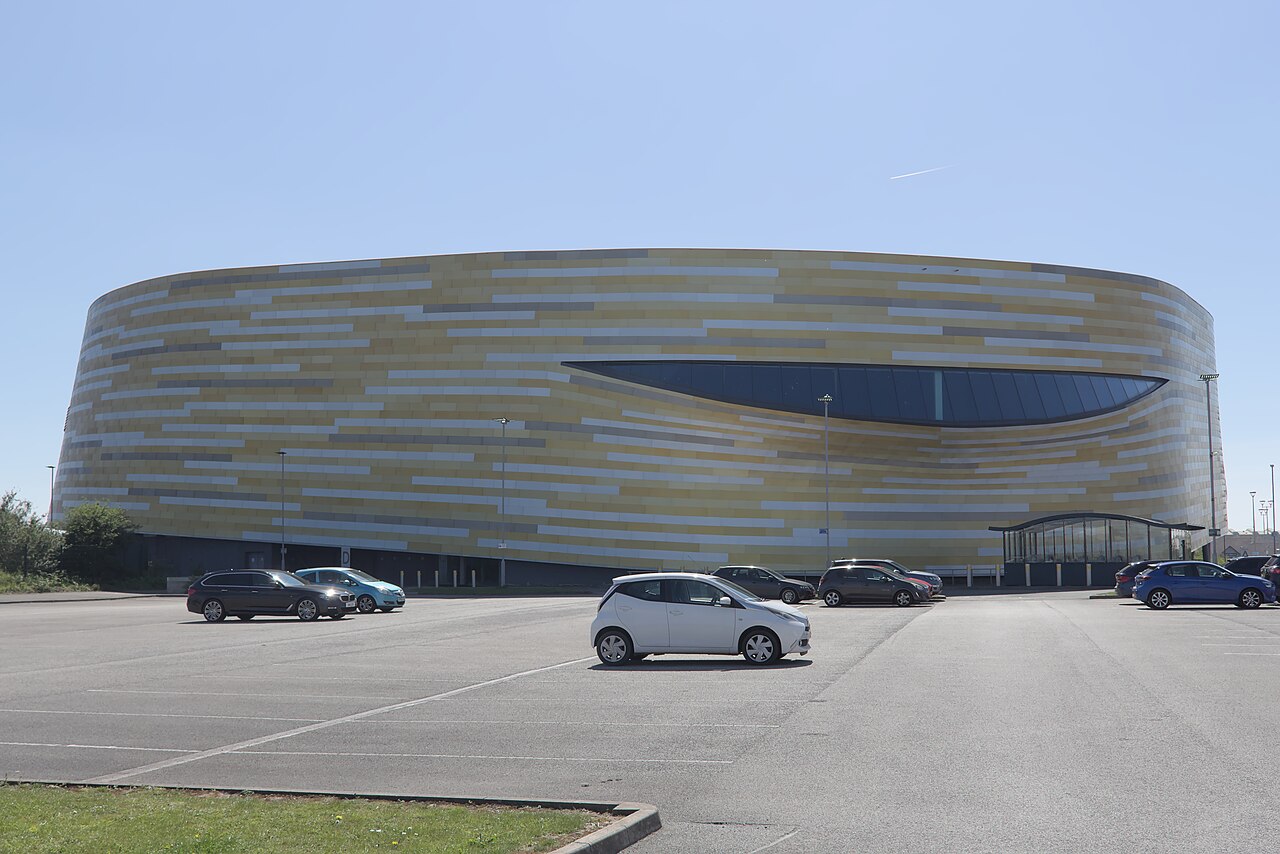
The curved gold and grey clad exterior of Derby Arena at Pride Park
Derby Arena, Pride Park. Photo: Aethonatic, CC0 (credits)

Regeneration

Schemes under way in and around the centre

Derby City Council and partners are progressing several schemes. Regeneration can change an area's character and amenities, but it does not automatically raise property values, and schemes can be delayed, changed or scaled back. Treat the points below as context to investigate.

City centre

Becketwell

A £200 million city-centre scheme that, according to the council (May 2026), has already delivered a public square, housing and the Vaillant Live venue. The council's Becketwell page (undated) describes a first phase that includes a 259-apartment build-to-rent scheme. In October 2026 the Becketwell site was also named as the home of the Great British Railways headquarters.

City centre, between Derbion and the station

Castleward

The council reports planning permission for Phase 5, the next phase of the scheme, with 167 new homes (30% affordable). Construction is expected to start in early 2027, subject to approvals.

River Derwent

Our City, Our River

A flood defence programme led by the council for the Environment Agency. The programme had delivered enhanced flood protection to over 2,000 properties by February 2026. Derby Riverside, the second phase, was under construction and, once complete, is intended to extend protection to the east bank. A masterplan for Riverside North, a site unlocked by the works, was commissioned in September 2026.

Sources: Derby City Council, 6 May 2026 (Becketwell); Derby City Council, Becketwell regeneration (page may pre-date current progress); Derby City Council, 2 April 2026 (Castleward); Derby City Council, 12 February 2026 (Our City, Our River); Derby City Council, September 2026 (Riverside North).

Property investment considerations

Areas and strategies to investigate

Where to look

Investors often start with areas near the university (Allestree, the Kedleston Road and Markeaton Street side of the city), near Royal Derby Hospital (Littleover, Mickleover), near the station and employers (the centre, Pride Park, Alvaston) and in commuter towns such as Belper. Property types range from Victorian terraces and 1930s semis to modern flats and newer estate housing. Local knowledge matters because streets within a single postcode can differ.

Strategy considerations

  • Buy-to-let: think about the likely tenant, local rents, void periods, condition and regulation.
  • Student: check HMO licensing, planning rules, room sizes and how close accommodation is to campus.
  • HMO: licensing, fire safety and management standards apply, and local policy varies.
  • Refurbishment: older stock may need work. Obtain surveys and quotes, and allow for overruns.

No area is guaranteed to perform well. Rents, values and demand can fall as well as rise, and this guide is not financial, legal, tax or mortgage advice.

Neighbourhoods

Neighbourhoods to investigate around Derby

Distances are approximate straight-line figures from the city centre; check real journey times yourself.

Derby · city centre

Derby City Centre

Home to Derbion, the Cathedral Quarter, the station and the Cavendish and Friar Gate university sites. Housing is mostly flats and conversions, with Victorian terraces nearby. Walkable to the station and shops. Investors typically look at it for smaller flats and tenants wanting a central location, and should consider service charges and the supply of new flats.

Derby · about 3 miles north

Allestree

A suburb beside Allestree Park, close to the University's Kedleston Road campus. Housing is largely 1930s and later semis and detached homes. Bus links run to the centre. Investors may consider it for family lets or, near the campus, student lets, subject to licensing and planning.

Derby · about 3 miles south-west

Littleover

A large residential suburb with a local shopping centre, schools and green spaces, and relatively close to Royal Derby Hospital. Housing is mainly semis and detached homes, with some flats. Possible interest from families and healthcare staff, which should be tested locally.

Derby · about 4 miles west

Mickleover

A village-style suburb with a high street, shops and pubs, and routes towards the A38 and Royal Derby Hospital. Housing includes older village properties and newer estates. Tends to attract owner-occupiers and families, so rental yield and tenant demand need checking.

Derby · about 3 miles east

Chaddesden

An eastern suburb with local shops and Chaddesden Park, and links towards Pride Park, Derby Arena and the A52. Housing is largely post-war semis and terraces. Often looked at for lower-price buy-to-let and refurbishment projects; condition and area differences vary street by street.

Derby · about 3 miles south-east

Alvaston

A south-eastern suburb with a district shopping centre and Alvaston Park, near the A6 and routes to Pride Park and the station. Housing is mostly terraced and semi-detached. Investors sometimes consider it for entry-price lets or refurbishments; local knowledge is important.

Derbyshire · about 8 miles north

Belper

A market town in the Derwent Valley, within the Derwent Valley Mills World Heritage Site, on the Derby to Matlock rail line and the A6. Stone-built terraces, period cottages and newer homes. It is outside Derby itself, so commuters to Derby and Nottingham are one possible tenant group. Check how well it fits your intended area.

Looking to invest in Derby?

Tell us your criteria and what you are looking for.